

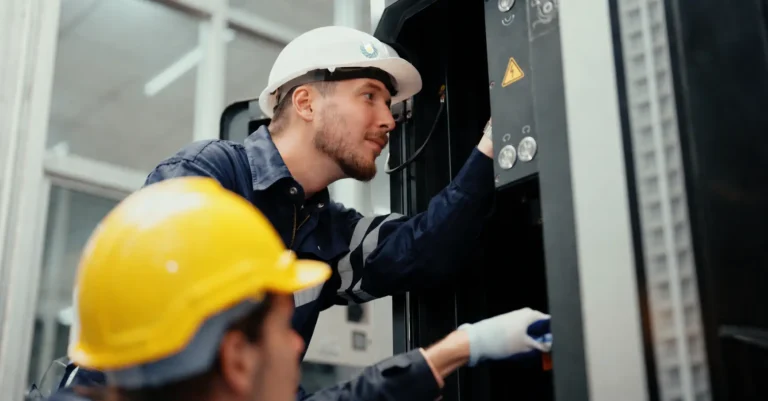
Repair
Plumbing, HVAC, electrical, doors and locks, glass, and the day-to-day fixes that keep apartments, common areas, and care spaces operational.
A senior living community doesn’t have off-hours. Residents live there. Meals run on a schedule. Care staff move through the building around the clock, and any project has to fit into the rhythm of the community without becoming the thing residents and families remember from that month.
That changes how the work gets planned. Dust, odor, and noise tolerance is much lower than in retail or restaurants. A wing being painted has to stay accessible, or the residents living in it need somewhere comfortable to be while the work happens. Materials that off-gas, equipment that’s loud, or anything that blocks a hallway has to be managed carefully and timed around resident routines.
Then there’s the range of environments inside one building. Independent living apartments. Assisted living suites with daily care. Memory care neighborhoods with stricter access and supervision needs. Skilled nursing units with medical equipment and clinical staff. The same paint refresh project might touch all of them, and each one has its own set of rules.
And the work itself runs the full range, from a single dining room refresh to a portfolio rollout across dozens of communities. We’ve handled both, and the framework is the same: a project management team that knows the operational realities, a national network of trades, and documentation that holds up to whatever inspection comes next.
Meals, activities, medication passes, therapy sessions, family visits. Each one anchors a piece of the day, and the project schedule has to work around all of them. Our project managers coordinate with the executive director, life enrichment staff, and care teams up front, so the crew knows when the dining room needs to clear out, when residents are heading to programming, and when the hallway needs to stay quiet because a memory care neighborhood is settling for the night. The work happens in the windows that are actually available, not the ones that look available on paper.
Most projects in a senior living community involve some form of containment. Floor-to-ceiling barriers around active work zones. Low-VOC paints and adhesives where residents are nearby. HEPA filtration when dust is a concern. Phasing the work so an entire wing is never disrupted at once. We’ve found that the difference between a project residents barely notice and one that generates complaints usually comes down to how seriously the crew takes the containment plan, and we set that expectation before anyone shows up on site.
The work tends to fall into a few categories. Common-area refreshes — dining rooms, lobbies, libraries, salons, theaters — where the project happens around active use. Hallway programs that move floor by floor or wing by wing. Unit turns when a resident moves out or transitions to a different level of care, with tight windows to get the unit ready for the next person. Model unit refreshes that have to look move-in ready for prospective resident tours. We staff and schedule each one differently, but the same project management team coordinates across all of them so the community isn’t dealing with multiple BrandPoint contacts.
Our crews are vetted, badged, and briefed before they start work in a community. That covers access protocols, sign-in procedures, and how to conduct themselves in a building where residents and care staff are present throughout the day. Greeting residents, stepping aside for care staff, keeping tools and materials out of resident pathways, cleaning up at the end of every shift so the space is presentable overnight. None of it is complicated, but it’s the difference between a crew the community wants back and one they don’t.
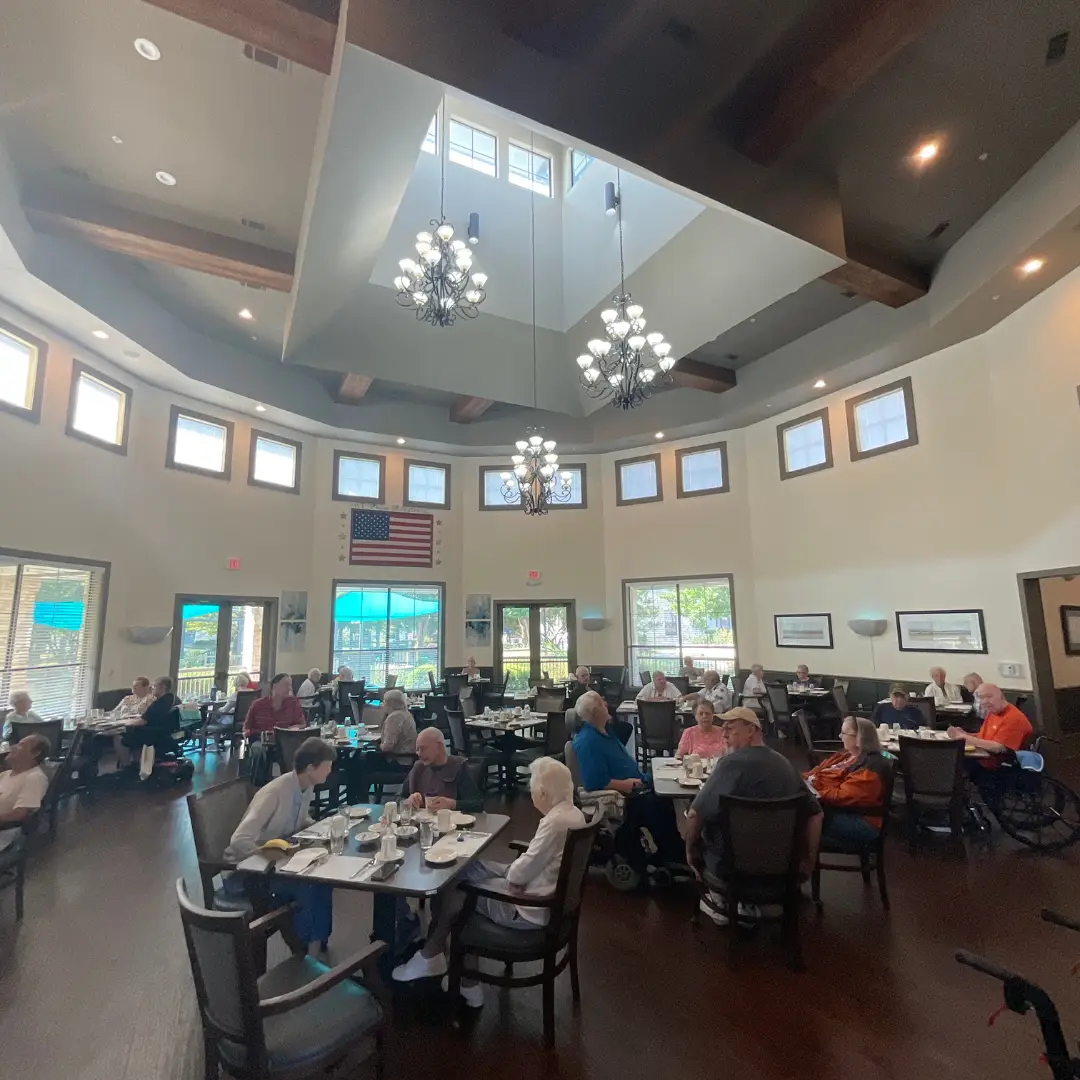

From a leaking pipe in a resident bathroom to a full dining room renovation across a CCRC portfolio, the four services below cover the lifecycle of work senior living communities need. Click into any service for the full scope.
Plumbing, HVAC, electrical, doors and locks, glass, and the day-to-day fixes that keep apartments, common areas, and care spaces operational.
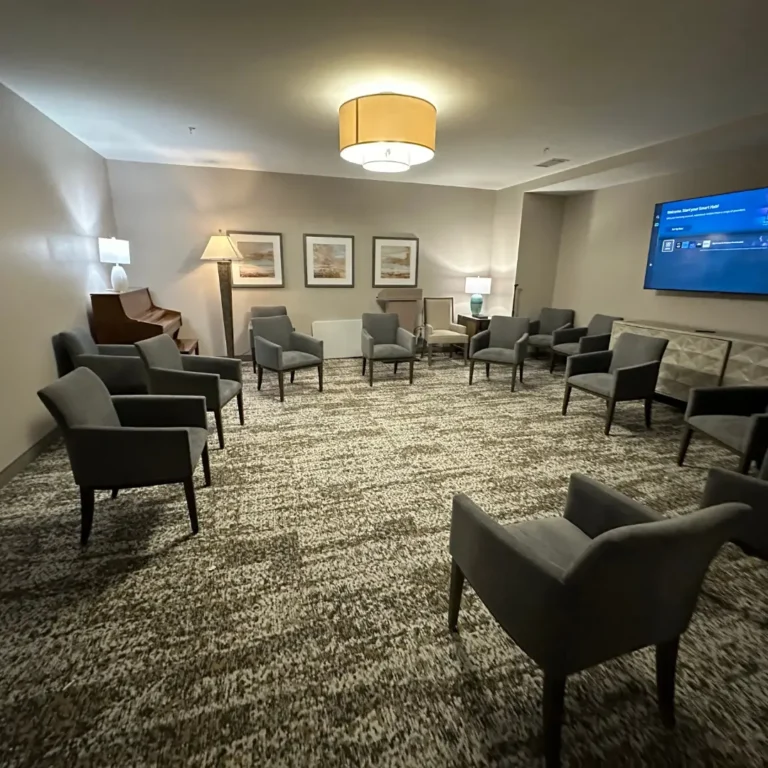
Furniture, fixture, and layout work in dining rooms, lobbies, model units, and resident-facing spaces where presentation matters as much as function.

Interior and exterior updates, paint, flooring, wallpaper, and signage, scheduled around resident routines and executed with containment in mind.
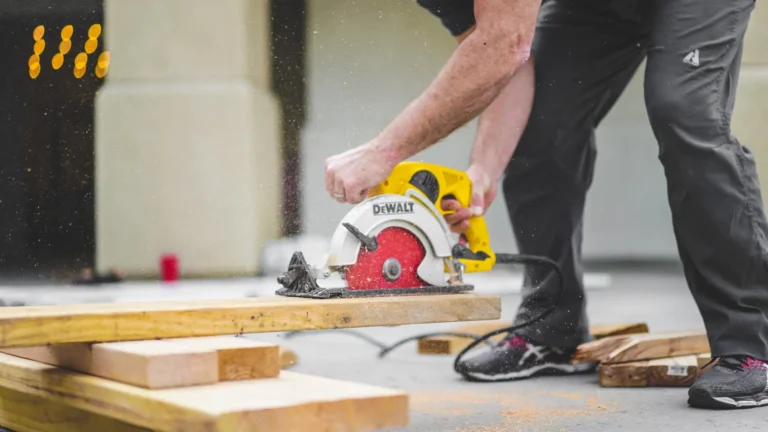
Full general contracting for dining room renovations, neighborhood conversions, common-area buildouts, and portfolio-wide refresh programs.