

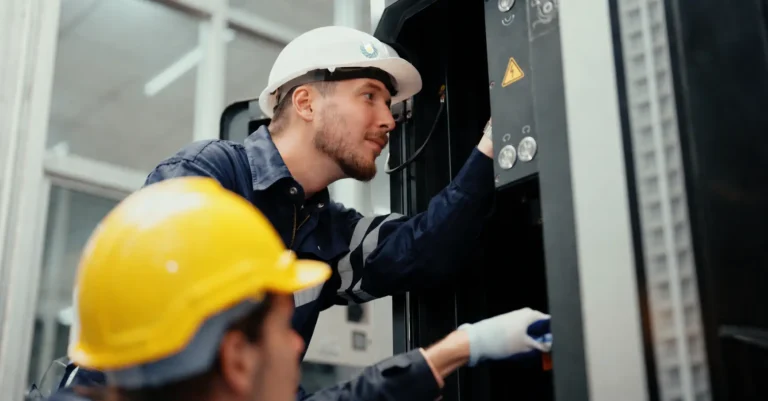
Repair
Fast response on plumbing, HVAC, electrical, doors, glass, and the day-to-day issues that affect facility operations and patient experience.
A hospital lobby, an outpatient clinic waiting room, and a medical office building corridor all have one thing in common: people are using them right now. That changes the math on every project. Dust, noise, smell, blocked sightlines, equipment in hallways — none of it can interfere with patient care, clinician workflow, or the experience of someone walking in for an appointment they’ve been dreading for a week.
So the work gets staged differently. We phase projects to keep critical areas operational, set up containment where the scope calls for it, and schedule the disruptive parts around clinical hours when we can. Our crews are vetted and briefed before they arrive on site, trained on the access and infection control protocols the facility requires, and prepared to coordinate with facilities staff, security, and clinical leadership throughout the project.
The other reality of healthcare facility work is the regulatory layer. Life safety codes, ADA compliance, signage requirements, joint commission readiness — every one of these shapes how a project gets scoped and documented. We’ve worked inside enough healthcare environments to know what the inspectors are looking for and how to keep the paperwork clean.
Clinical spaces don’t shut down for construction. We build project schedules that work around exam room availability, surgical schedules, infusion appointments, and the hundred other things on a clinical calendar. Disruptive work goes on nights, weekends, or designated downtime windows. Quieter work fits inside daytime hours when it can. Our project managers coordinate with facilities and clinical leadership before we start so the schedule reflects what’s actually happening inside the building.
Working near patients means working clean. Our crews stage materials away from clinical pathways, set up dust and noise containment where the scope requires it, and clean as they go so spaces are turned over ready for use. In hospital environments, we coordinate with infection prevention staff on the protocols specific to that facility. In outpatient and MOB environments, we plan around patient flow so waiting rooms, exam corridors, and check-in areas stay usable.
A lot of healthcare facility work isn’t clinical at all. Lobbies, atriums, cafeterias, conference centers, exterior signage, donor recognition walls, video boards and digital wayfinding. These are the projects where the building meets the public, and they have to look the part. We handle paint, flooring, fixture, signage, and digital installation work in these spaces with the same scheduling discipline we bring to clinical-adjacent projects.
Health systems with dozens or hundreds of facilities run into the same problems multi-site brands in any industry face. Inconsistent vendors, inconsistent quality, inconsistent documentation. We run rebrand rollouts, signage programs, and refresh programs across healthcare networks with one project management team, one set of standards, and one channel of communication, so the same work shows up the same way at every location.
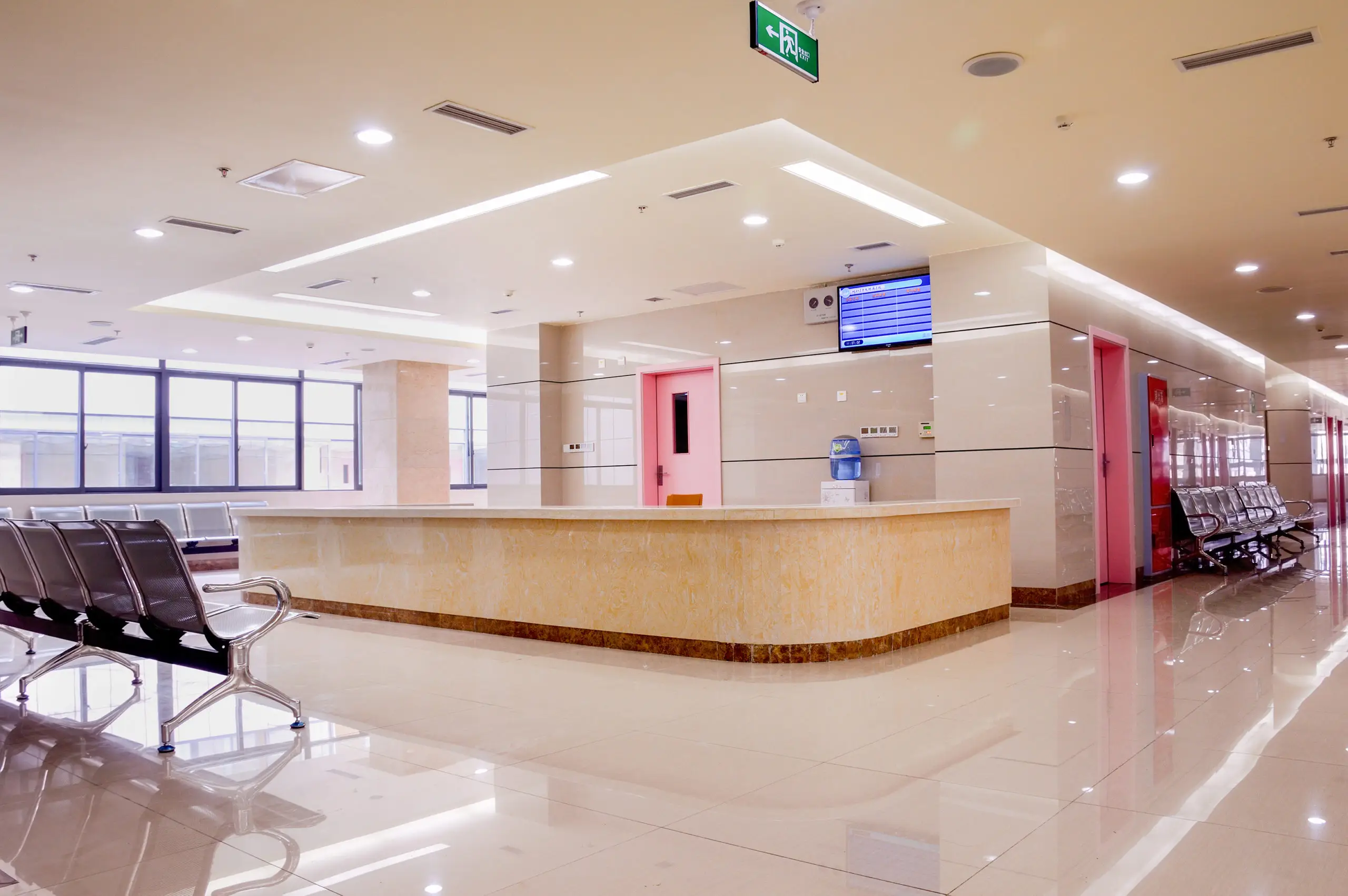

From emergency repair calls to full facility renovations, the four services below cover the work that keeps healthcare environments operational, compliant, and presentable. Click into any service for the full scope.
Fast response on plumbing, HVAC, electrical, doors, glass, and the day-to-day issues that affect facility operations and patient experience.
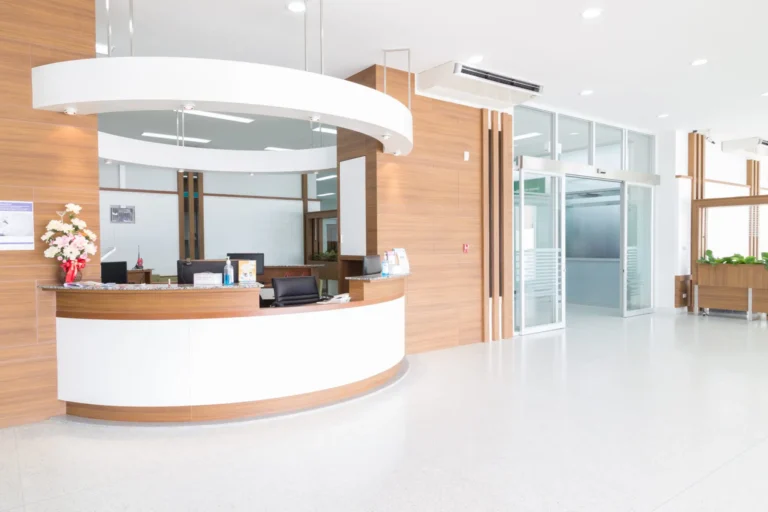
Fixture installation, casework, and interior reconfigurations for clinical and non-clinical spaces, scheduled around facility operations.
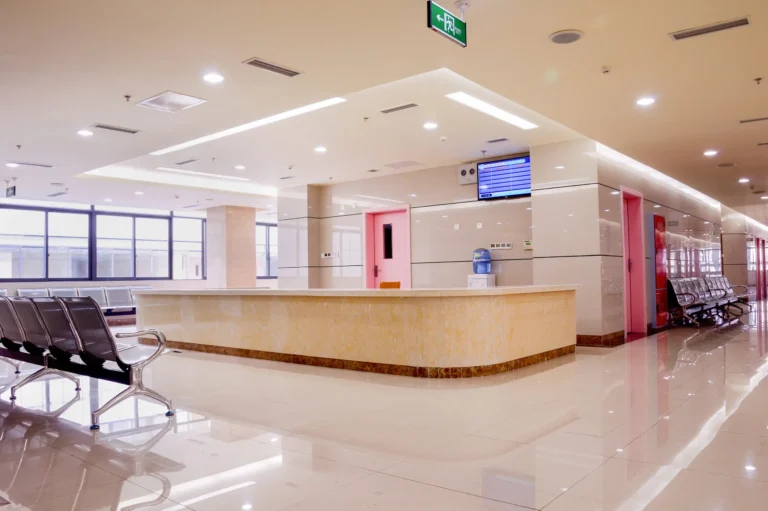
Paint, flooring, signage, wayfinding, and graphics updates that bring lobbies, corridors, and public-facing spaces back to standard without taking them out of service.
Full general contracting for renovations, expansions, and multi-site rollouts across hospitals, clinics, MOBs, and specialty facilities.